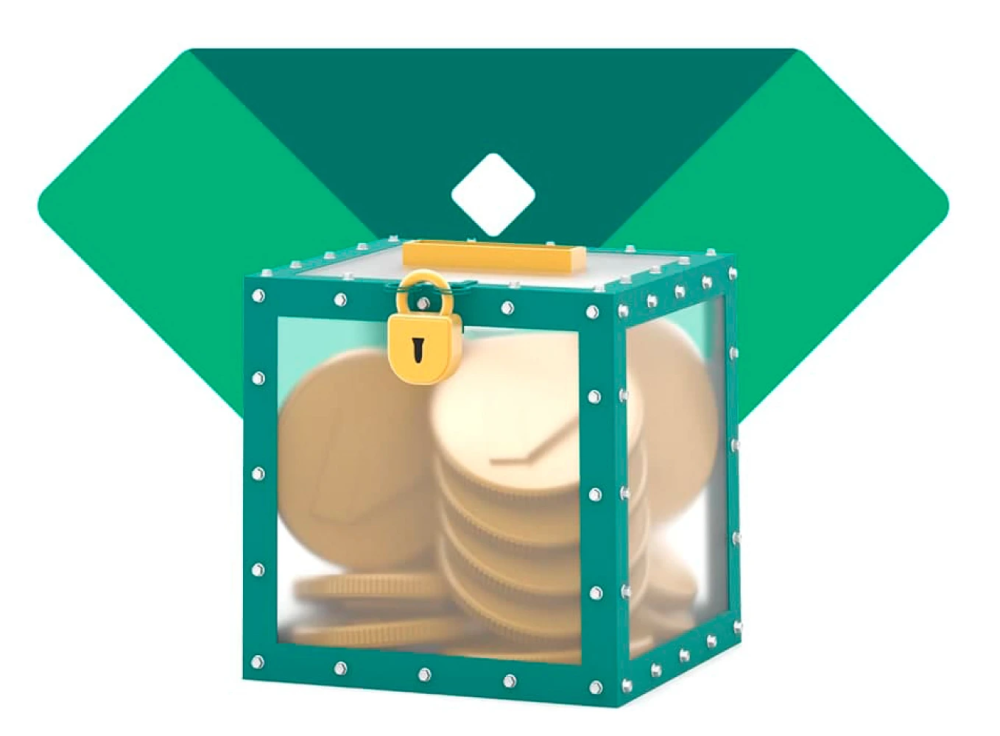
What is social engineering?
Social engineering is when fraudsters don’t hack systems —
they manipulate you into doing it for them.
They use:
- fear
- urgency
- trust
Real-life scenarios
Scenario 1: “Bank employee”
— Hello, this is the Bank Security Service
— Suspicious activity detected on your account
— Provide the code to immediately cancel transaction
Actually: You are personally authorizing the fraudster's transaction.
“Message from a friend”
— I need urgent help
— Send money
Reality: Your friend’s account is hacked.
“Investment / winnings”
— You made profit
— One need to verify an account
— Enter the code
Reality: You give access to your account or card.
Techniques used by fraudsters
- Urgency – verify now
- Fear – your funds are at risk
- Authority – I am from Bank / Security Service
- Trust – I am your acquaintance / colleague
Goal: stop you from thinking
Red flags of Fraud
If someone:
- calls and scares you
- demands an urgent decision
- asks for a code, password, or transfer
- forbids you from "hanging up"
These are scammers.
What to do
- End the call
- Contact the bank yourself (from an official number)
- Verify the information through your acquaintance (if they are writing on their behalf)
Never act under pressure
The most dangerous mistake
“He spoke so confidently, I believed him”
Scammers are trained to speak convincingly.
This is their job.
Remember
- Banks never ask for a code over the phone
- No one has the right to demand urgent actions with your money
If you are being rushed — you are being deceived
See also
Cyber Threats to Your Finances: Malware and Phishing
Internal Cybersecurity Scenario Workshop