13 Feb 2025
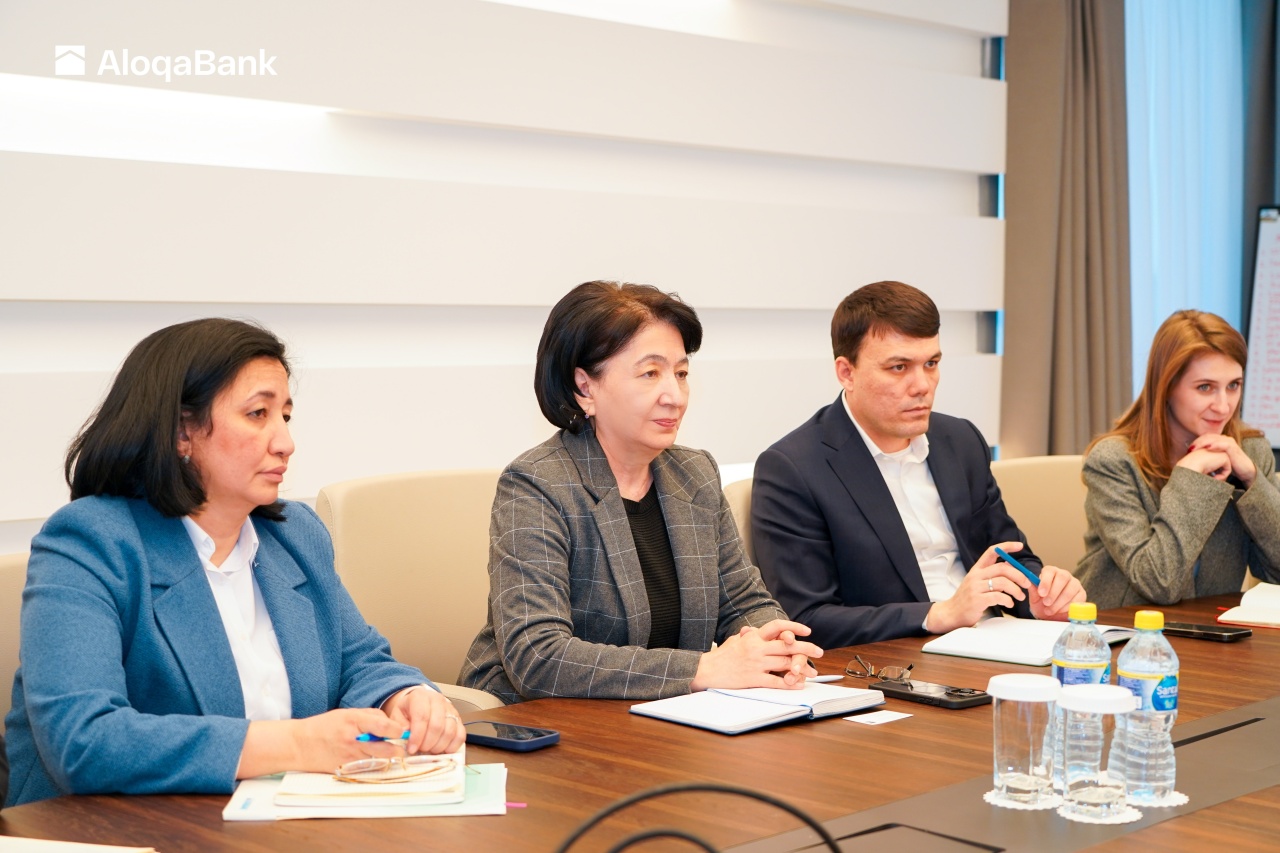
A meeting was held within the framework of the technical assistance (TA) agreement signed with AloqaBank and the Asian Development Bank (ADB). During the meeting, the main stages of project implementation were determined, including the start dates of analytical work and the preparation of proposals. This cooperation is aimed at implementing advanced ESG standards in the banking sector and ensuring sustainable development. Main directions of the ESG program:
1. Analysis of current ESG practices - study of existing practices in the field of sustainable financing; 2. Data research and analysis - primary and secondary; collection and analysis of data obtained from sources; 3. Trainings on ESG and green financing - organization of special trainings for bank employees; 4. Consultations with development stakeholders - gathering feedback on ESG topics; 5. Assessment of compliance with IFRS S1/S2 standards - determination of compliance with international reporting standards; 6. Development of reporting tools - improvement of ESG reporting processes; 7. Formation of the ESG Strategy - defining priorities for sustainable development; 8. Studying world experience - analysis of international best practices and adaptation to local conditions; 9. Identification of gaps in ESG standards - analysis of discrepancies and finding ways to eliminate them; 10. Development of an internal ESG report - preparation of a document containing recommendations and conclusions. These areas include important aspects of implementing ESG principles and improving sustainable financing.
1. Analysis of current ESG practices - study of existing practices in the field of sustainable financing; 2. Data research and analysis - primary and secondary; collection and analysis of data obtained from sources; 3. Trainings on ESG and green financing - organization of special trainings for bank employees; 4. Consultations with development stakeholders - gathering feedback on ESG topics; 5. Assessment of compliance with IFRS S1/S2 standards - determination of compliance with international reporting standards; 6. Development of reporting tools - improvement of ESG reporting processes; 7. Formation of the ESG Strategy - defining priorities for sustainable development; 8. Studying world experience - analysis of international best practices and adaptation to local conditions; 9. Identification of gaps in ESG standards - analysis of discrepancies and finding ways to eliminate them; 10. Development of an internal ESG report - preparation of a document containing recommendations and conclusions. These areas include important aspects of implementing ESG principles and improving sustainable financing.
Oʻzbekcha:
See also

6 August 2026
Dear AloqaBank clients!
6 August 2026
Beekeeping Center in Kashkadarya
5 August 2026